5 Best Bank Platforms for Digital Payment (2025 Winners)

Digital banking has dramatically improved over the last few years, transforming from clunky mobile apps to sophisticated platforms that 78% of Americans now prefer over traditional branch visits. To understand the broader context of how payment methods are evolving, I’ve explored topics ranging from real-time payments versus traditional transfer methods to comprehensive reviews of the 5 best personal banking options for everyday consumers.
What really surprised me is how similar all the major banks have become in terms of basic functionality, yet the differences in costs and usability remain significant. This guide focuses specifically on the payment platform capabilities that matter most for moving money efficiently, building on the foundation of digital banking knowledge I’ve shared previously.
What Are Bank Digital Payment Platforms and Why You Should Care
So first things first – what exactly am I talking about when I say “bank digital payment platforms”? It’s basically the fancy way of saying “how you move money around using your bank’s app or website.”
Now, here’s something that took me way too long to understand when I first started in this business – all the major US banks are basically using the same backbone system. It’s called Zelle, and it connects pretty much every big bank you’ve heard of. Chase, Bank of America, Wells Fargo, us – we’re all on this same network.
This was actually a huge deal when it launched because before Zelle, sending money between different banks was… ugh, don’t even get me started. It was slow, expensive, and just annoying. Now when my clients need to send money to someone who banks with a different institution, it usually happens in minutes. Pretty cool, right?
The Mobile-First Thing (And Why It Matters)
Here’s what I’ve noticed – and this might sound obvious now, but it wasn’t a few years ago – everything is built around your phone first. Like, the mobile app isn’t just a smaller version of the website anymore. It’s actually the main thing, and the website is almost an afterthought.
I remember when we first started talking about going “mobile-first” in our strategy meetings. Some of the older folks (and I say this with love) were like “but people still use computers!” And yeah, they do, but watch someone under 40 try to do their banking. They’re pulling out their phone 9 times out of 10.
The thing is, when you’ve got everything integrated – your checking account, savings, credit cards, investment stuff – it all shows up in one place on your phone. No more logging into different websites or trying to remember different passwords. It’s actually pretty slick when it works right.
The Limitations (Because Nothing’s Perfect)
But here’s where I need to be real with you – these platforms aren’t perfect. They’re really designed for moving money around the US, period. You want to send money to your cousin in Europe? You’re going to need a different service, and it’s going to cost you.
Also, there are limits on how much you can send. Usually somewhere between $2,500 and $5,000 per day, depending on your account and how long you’ve been with the bank. I get why they do this – fraud prevention and all that – but it can be annoying when you’re trying to pay for something expensive.
The Fee Thing (Where It Gets Interesting)
This is where things get really different between banks. The basic Zelle transfers? Those are free pretty much everywhere. But everything else? That’s where some banks will nickel and dime you to death, and others are pretty reasonable.
I’ve done the math for clients before – if you’re sending around $10,000 a month in transfers (which is not unusual for businesses), the difference between using bank transfers versus something like PayPal can save you almost $300 a month. That adds up fast.
Security Stuff (The Important But Boring Part)
Look, I have to talk about security because it’s important, even though it’s not the most exciting topic. All the major banks have pretty much the same security setup – FDIC insurance, anti-money laundering stuff, multi-factor authentication. It’s all regulated by the government, so there’s not a huge difference between banks here.
But here’s what a lot of people don’t realize – once you send money with Zelle, it’s gone. Like, really gone. There’s no “oops, I sent that to the wrong person, can you cancel it?” So you better double-check that phone number or email address before hitting send. I’ve seen too many people learn this the hard way.
The 5 Best Bank Platforms: My Real-World Rankings
Alright, here’s where I’m going to get into the meat of this. I’ve been watching these platforms for years now, talking to clients about their experiences, dealing with the frustrations when things don’t work right, and celebrating when they actually do something clever.
1. Capital One – The Pleasant Surprise

I’m going to be honest – I used to think Capital One was just a credit card company that happened to have a bank attached. Boy, was I wrong.
Their digital platform is… well, it’s actually really good. Like, surprisingly good. They’ve got this clean, simple interface that doesn’t try to do too much at once. You know how some apps feel like they’re screaming at you with notifications and buttons everywhere? Capital One’s isn’t like that.
Fee Excellence (This is the big one):
- $0 monthly maintenance fees – seriously, zero
- $0 overdraft fees – eliminated them completely
- 70,000+ fee-free ATMs (that’s the largest network)
- I had a client save hundreds switching just to avoid overdraft fees
UX That Actually Works:
- Clean interface that doesn’t overwhelm you
- Fast app performance – no waiting around
- Real-time payment notifications with actual useful details
- Colors that don’t hurt your eyes (sounds basic, but you’d be surprised)
The Reality Check:
- Limited cash handling if you’re old-school about deposits
- Not as many branches if you like talking to humans
- Very much a digital-first experience – embrace it or go elsewhere
2. Chase – The Kitchen Sink Approach
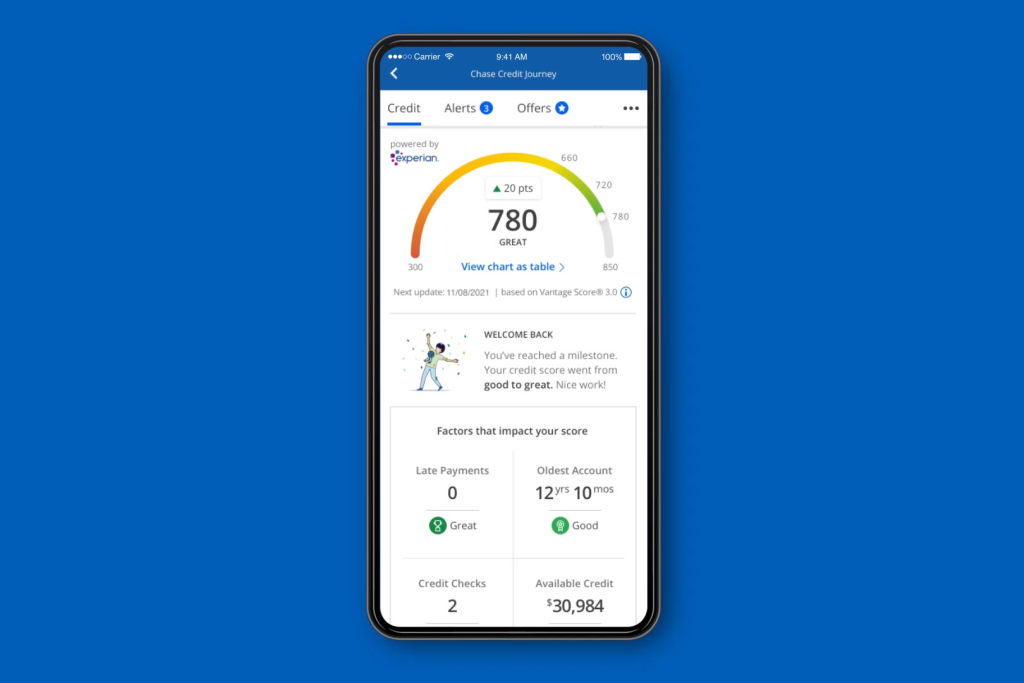
Chase is like that friend who has every possible gadget and tool, but their garage is so packed you can’t find anything. They’ve got everything – and I mean everything – but it can be overwhelming.
What They Do Right:
- 151 million people using Zelle through their network – your money will get there
- Stock trading, credit monitoring, investment management all built in
- Mobile app that’s basically a full computer (4.9/5 on Apple, 4.4/5 Google Play)
- When you need a feature, they probably have it
The User Experience Reality:
- Sometimes finding basic stuff is like hunting for your keys
- Navigation isn’t intuitive when there are 50+ features
- Solid ratings, but partly because people just get used to the complexity
- One client said it’s “like flying a spaceship when all I wanted was a bicycle”
The Fee Problem (Ouch):
- $12 monthly fee unless you jump through hoops
- $35 overdraft fees (that stings)
- Only 15,000 ATMs in their network
- You’re definitely paying premium prices for all those features
3. Bank of America – The AI Experiment

Bank of America went all-in on artificial intelligence with something called Erica, and honestly, it’s kind of impressive. This AI assistant handled 676 million interactions last year, and about 20 million people actively use it. That’s… a lot.
The AI Magic (When It Works):
- Erica warns you about unusual spending patterns
- Finds subscription services you forgot you were paying for
- Tells you when you’re eligible for better account perks
- Handles millions of interactions – it’s actually pretty smart
The User Experience Mixed Bag:
- Clean design that’s easy to navigate for basic stuff
- Sometimes Erica feels like an overeager salesperson
- Information overload – lots of competing features and suggestions
- You open the app to check your balance, end up getting a financial lecture
The Fee Situation:
- Overdraft fees dropped from $35 to $10 (progress!)
- Monthly maintenance fees are waivable if you meet requirements
- Still feels like they’re nickeling and diming compared to Capital One
- Better than they used to be, but not great
4. Citibank – The International Player
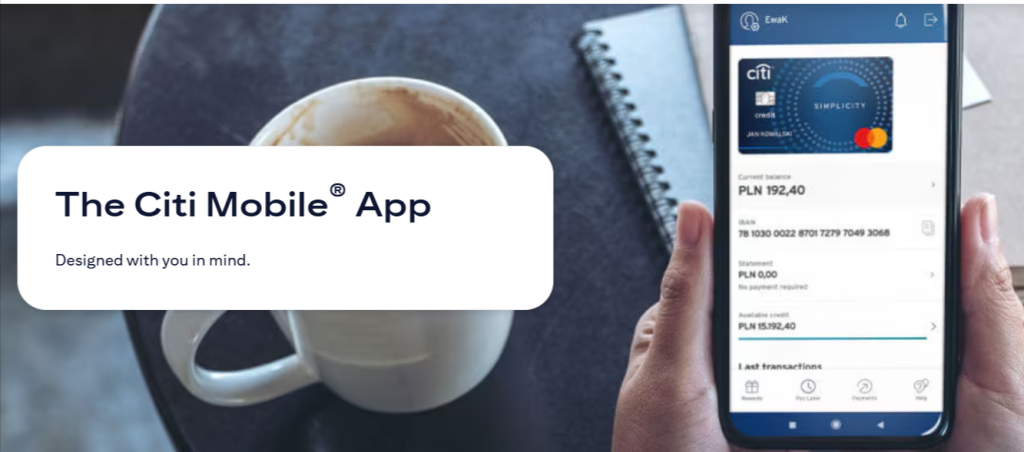
Citibank is weird in a good way. They’re not trying to be everything to everyone like Chase, and they’re not going all-in on AI like Bank of America. They’re just… really good at specific things.
If you do any business internationally, Citibank is in a league of its own. They can receive payments from 15 different countries without gouging you on conversion fees, and their international wire transfers are actually reasonable. I’ve had clients who do import/export work, and they swear by Citibank for this stuff.
The app design is pretty slick too – they use these sunset colors and city skylines that make it feel more premium than most banking apps. It’s like they hired an actual designer instead of just letting the programmers figure it out.
They also eliminated overdraft fees completely in 2022, which puts them ahead of Chase and Wells Fargo in that department.
The downside? They’re not as quick to add new features as the bigger banks. Sometimes it feels like they’re a step behind on the latest digital trends. And their customer base is smaller, so they don’t get as much feedback to improve things quickly.
But if you want something that works well without too much bells and whistles, and especially if you deal with international payments, Citibank is solid.
5. Wells Fargo – The Cautionary Tale

Oh, Wells Fargo. Where do I even start?
Look, Wells Fargo has some good features. Higher mobile deposit limits ($25,000 daily), comprehensive business tools, and when everything works correctly, it’s actually pretty capable.
But here’s the problem – they redesigned their app in February 2022, and it was… not good. Like, really not good. Their ratings dropped from 3.87 to 3.27 almost overnight. I started getting calls from clients asking if something was wrong with their phones because they couldn’t figure out how to deposit checks anymore.
The new design made basic stuff harder to find, and some features just stopped working reliably. Bill pay became wonky, check deposits got finicky, and even logging in became more of a hassle.
And the fees! They’re still charging $10 monthly service fees and $35 overdraft fees. Last year they made $937 million just from overdraft fees alone. That’s… a lot of people getting charged for overdrafts.
I feel bad for Wells Fargo because I know there are good people working there trying to fix things. But right now, I have a hard time recommending them unless you specifically need their higher deposit limits or you’re already deeply integrated with their business banking tools.
What This All Means for You
After dealing with all these platforms day in and day out, here’s my honest take: Capital One wins for most people. They’ve figured out how to keep things simple while eliminating the fees that drive everyone crazy.
Chase is great if you want every possible feature and don’t mind paying for it. Bank of America is interesting if you like the idea of AI helping with your finances. Citibank is perfect for international stuff. And Wells Fargo… well, maybe wait and see if they fix their app issues.
The thing is, switching banks isn’t as scary as it used to be. Most of these platforms make it pretty easy to move your direct deposits and automatic payments. And with Zelle connecting everyone, you’re not going to be stuck unable to send money to people just because they bank somewhere else.
My advice? Pick the one that matches how you actually use banking, not the one with the most features you’ll never touch. And for the love of all that’s holy, avoid overdraft fees if you can. That’s where these banks really get you.
Final Thoughts
The digital banking world in 2025 is pretty good overall, but it’s clear that some banks “get it” more than others. Capital One has really surprised me with how they’ve managed to eliminate fees while keeping things simple and user-friendly.
What I’ve learned after all these years is that the best banking platform is the one you don’t have to think about. It just works, doesn’t charge you random fees, and gets out of your way so you can focus on more important things than managing your money.
The industry is definitely moving away from the old model of making money through fees and overdrafts. The banks that figure this out first are going to be the winners, and honestly, we’re all better off for it.